


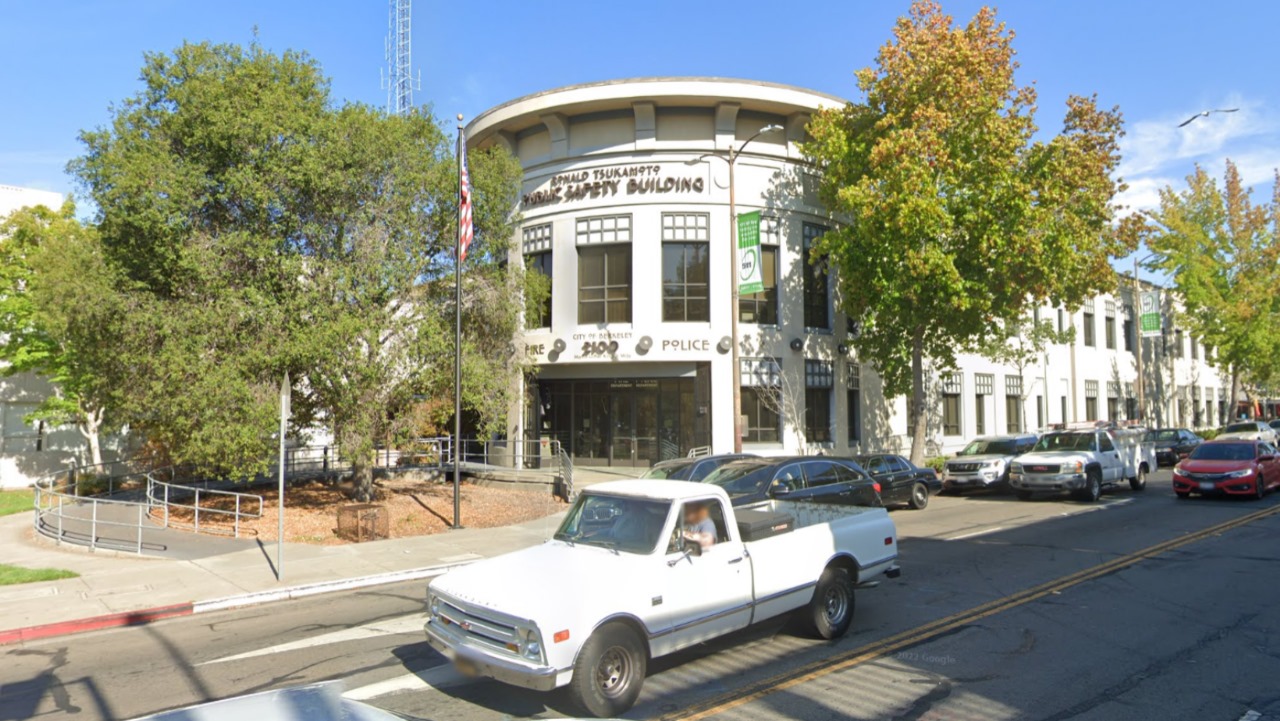
In a move that aligns with a broader regional shift, the Berkeley Police Department (BPD) has requested the City Council’s approval to encrypt all of its radio communications. This request comes after many law enforcement agencies across Alameda County, including those in neighboring jurisdictions, have already moved to encrypt their radio traffic. According to a report by Berkeleyside, the proposal for full encryption is set to be discussed by the Berkeley City Council on Oct. 28.
Previously touting transparency as a core value, BPD now seeks to secure all radio channels, a sharp pivot from its open stance. Until recently, Berkeley’s main dispatch channels remained accessible, allowing the public and media members to glean information about ongoing police activity. In a move to encrypt that has sparked concerns over transparency, the suggestion comes to the city council in just a matter of weeks, following the last month’s statements about maintaining public channels, as reported by Berkeleyscanner.
Chief Jen Louis outlined the primary reasons for encryption, asserting that public channels put officers at risk by potentially informing suspects of police movements and response strategies. “When suspects have advance notice of officer presence or activity in an area, it not only enables their evasion of arrest; it can create a tactical disadvantage for responding personnel and increases the risk of a violent encounter,” Louis wrote in a report to the council, as Berkeleyside highlighted.
Additionally, the BPD cited staffing constraints as exacerbating operational inefficiencies with its current communication system, which uses encrypted secondary channels. Encrypted radio would remedy “delayed or incomplete communications” during critical incidents. According to the agenda item cited by Berkeleyscanner, Berkeley police argue that aligning with other regional agencies, which share the same system, is necessary, and devising solutions for public access could be cost-prohibitive.
Officials have mentioned that Berkeley Fire traffic will remain unencrypted, ensuring some degree of public cognizance in joint emergencies. Should the encryption be approved, BPD intends to utilize social media and other channels to disseminate information to the public, although critics have noted that such methods have not been as timely or detailed in the past. The decision now rests with the Berkeley City Council, which will deliberate on the matter at the end of the month.
link