How High-Tech HF Radios Are Boosting Tobago’s Disaster Communications Networks
Introduction to Disaster Communication Challenges in Tobago
Tobago, a small island in the southern Caribbean, faces unique challenges when it comes to disaster preparedness and response. Due to its geographic location, Tobago is vulnerable to hurricanes, tropical storms, and flooding. These natural hazards often result in power outages, infrastructure damage, and disrupted telecommunications networks. In times of crisis, effective communication is essential for coordinating emergency response, rescuing stranded individuals, and delivering aid to affected communities. Traditional systems such as mobile networks and the internet are often unreliable under disaster conditions, creating a need for robust and resilient alternatives. High-frequency (HF) radios have emerged as a critical solution, strengthening Tobago’s disaster communication capabilities and ensuring that vital connections remain intact when conventional systems fail.
Why HF Radios Are Essential for Disaster Preparedness
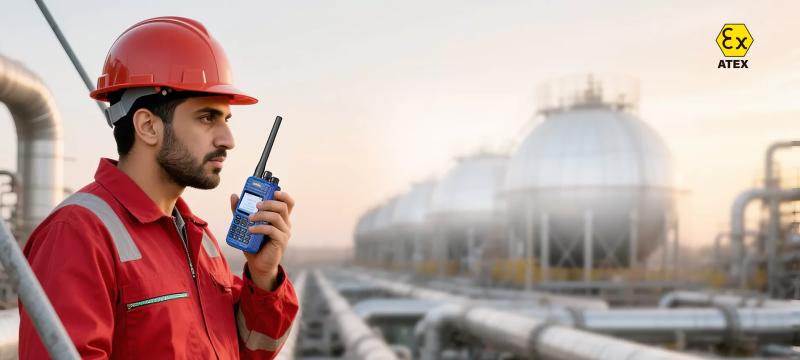
Unlike cell towers and fiber-optic networks, HF radios do not depend on fixed infrastructure that can be damaged during storms. They transmit signals over long distances by bouncing them off the ionosphere, making them particularly valuable in island nations like Tobago. This technology allows emergency responders to communicate with one another even when roads are blocked, towers are down, or electricity is unavailable. HF radios can operate on independent power sources such as solar panels or portable batteries, ensuring functionality in post-disaster scenarios. This reliability positions HF radios as a backbone of disaster communication strategies, complementing other technologies while providing a dependable fallback option.
Integration of High-Tech HF Radios in Tobago’s Emergency Systems
In recent years, Tobago has invested in advanced HF radio systems that are integrated into its disaster management framework. These high-tech devices are equipped with digital signal processing, GPS location tracking, and secure encryption features, making them far more capable than traditional analog radios. Emergency Operation Centers (EOCs) across Tobago are now outfitted with HF radio terminals that connect with first responders, shelters, hospitals, and maritime services. The integration of these radios ensures that even in the worst-case scenario of a full telecommunications blackout, authorities can still coordinate disaster response effectively.
Enhancing Connectivity Between Agencies
One of the most significant benefits of high-tech HF radios is the way they enhance inter-agency communication. During disasters, multiple organizations—including the Office of Disaster Preparedness and Management (ODPM), the Tobago Emergency Management Agency (TEMA), health services, and law enforcement—must work in unison. High-tech HF radios facilitate seamless communication between these agencies, reducing delays and confusion. The ability to establish dedicated frequencies for specific teams also allows for organized and structured information exchange. This level of connectivity ensures that resources are allocated efficiently and that affected communities receive timely assistance.
Role in Community-Based Disaster Response
Disaster communication is not only about government agencies but also about empowering communities. Tobago has taken steps to equip local community groups, volunteer responders, and shelters with portable HF radios. In remote villages or coastal areas where cellular service is often weak, these radios serve as a lifeline during emergencies. Training programs have been implemented to teach community leaders how to use HF radios effectively, ensuring that communication flows from the ground level up to central authorities. This community-based approach strengthens disaster resilience by involving citizens directly in the response network.
Overcoming Limitations with Modern HF Innovations
Older generations of HF radios were often criticized for being bulky, complex, and susceptible to interference. However, modern high-tech HF radios have overcome many of these challenges. Newer models feature automatic link establishment (ALE), which allows radios to automatically select the best available frequency, reducing manual adjustments. They also include digital messaging capabilities, enabling the transmission of short text-like messages even when voice signals are weak. With built-in GPS and mapping tools, responders can track teams in real time and coordinate rescues with greater accuracy. These technological innovations make HF radios not just a backup system but a primary communication tool in disaster scenarios.
Global Lessons and Tobago’s Role in Regional Resilience
Tobago’s adoption of high-tech HF radios offers valuable lessons for other small island developing states (SIDS) in the Caribbean and beyond. Islands often face similar vulnerabilities, and building resilient disaster communication systems is a shared priority. By demonstrating the effectiveness of HF radios, Tobago positions itself as a model of regional preparedness. Collaborations with neighboring islands and international organizations can further strengthen these networks, creating an interconnected safety net across the Caribbean. In times of widespread disasters, such as hurricanes that affect multiple territories, cross-border HF radio communication can facilitate rapid coordination of humanitarian aid and evacuation efforts.
Conclusion: Building a Resilient Future with HF Radios
In an era where climate change is increasing the frequency and intensity of natural disasters, reliable communication is more important than ever. Tobago’s investment in high-tech HF radios represents a forward-thinking approach to disaster preparedness. By ensuring that communication lines remain open when conventional systems collapse, HF radios provide a critical lifeline for emergency responders and communities alike. Their integration into Tobago’s disaster management network enhances resilience, saves lives, and sets an example for other vulnerable regions. As technology continues to evolve, the role of high-tech HF radios will only grow in importance, making them an indispensable tool in safeguarding the island’s future against natural disasters.