San Diego police encrypt radios, impacting media access
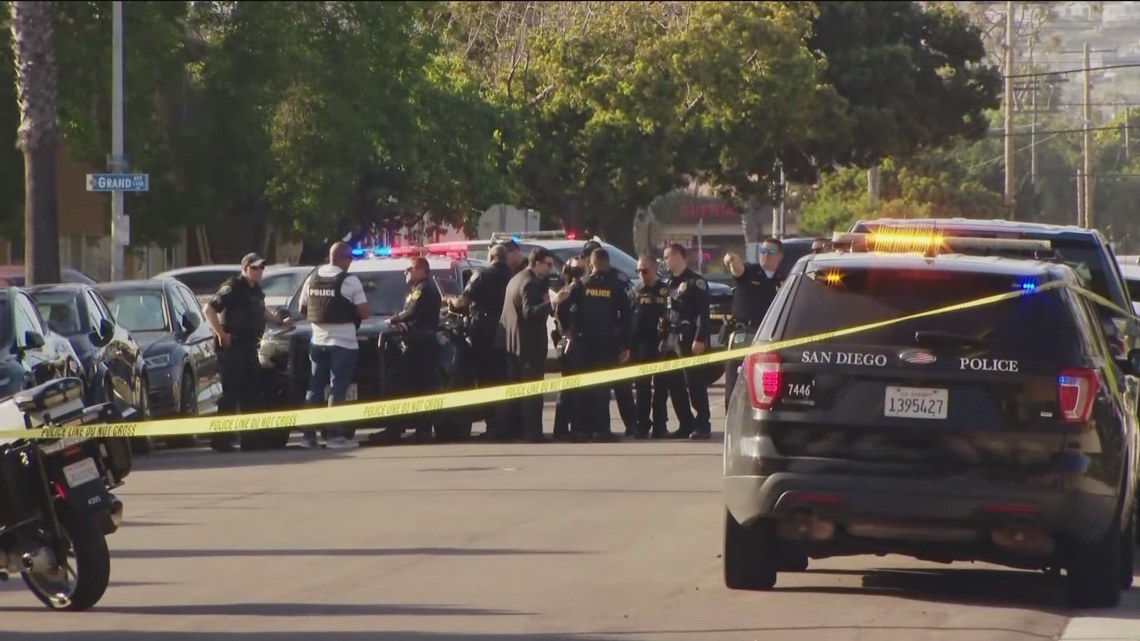
Advocates say the switch to encrypted police radios hurts public safety during emergency events and could also lessen transparency and accountability.
SAN DIEGO — The San Diego Police Department is among the latest law enforcement agencies in California to transition to encrypted police radio communications, thus preventing media outlets from listening to police scanners during breaking news events.
The department’s move to encrypted scanners is intended to comply with the California Department of Justice’s 2020 mandate to protect sensitive information from being transmitted to the public.
“The San Diego Police Department realizes that complying with the California Department of Justice (DOJ) mandate will have an impact on our media partners,” said police spokesperson Lt. Daniel Meyer. “Transparency continues to be a key focus of our organization as we strive to keep the public and media informed of appropriate public safety information.”
San Diego Police Department’s jump to protected radio communications comes despite San Diego Mayor Todd Gloria having once been an opponent of encrypted police radios.
In February 2019, then-Assemblymember Gloria authored a bill in the state assembly to ensure media had access to encrypted police radios.
“This bill would require a law enforcement agency… to provide access to the encrypted communications to a duly authorized representative of any news service, newspaper, or radio or television station or network, upon request,” read Gloria’s proposed bill, which was pulled before a vote ever took place.
In a statement to CBS 8, a spokesperson for Mayor Gloria said the department, like others across San Diego County, must comply with the state guidelines.
“While the mayor supports media access to police radio communications as a value, at this time, there is no feasible way to provide that access while also complying with the state mandate to restrict access to Personally Identifiable Information (PII) and Criminal Justice Information (CJI),” wrote the spokesperson in an email to CBS 8. “SDPD is working to improve the calls for service portal to provide media with information they need to follow and cover calls for service.”
And while SDPD says it has set up a media services phone line, “generally available at all times except after midnight and on Sundays,” and is currently updating its website for the public to view calls to police dispatch, the current information does little to help media outlets respond to major events.

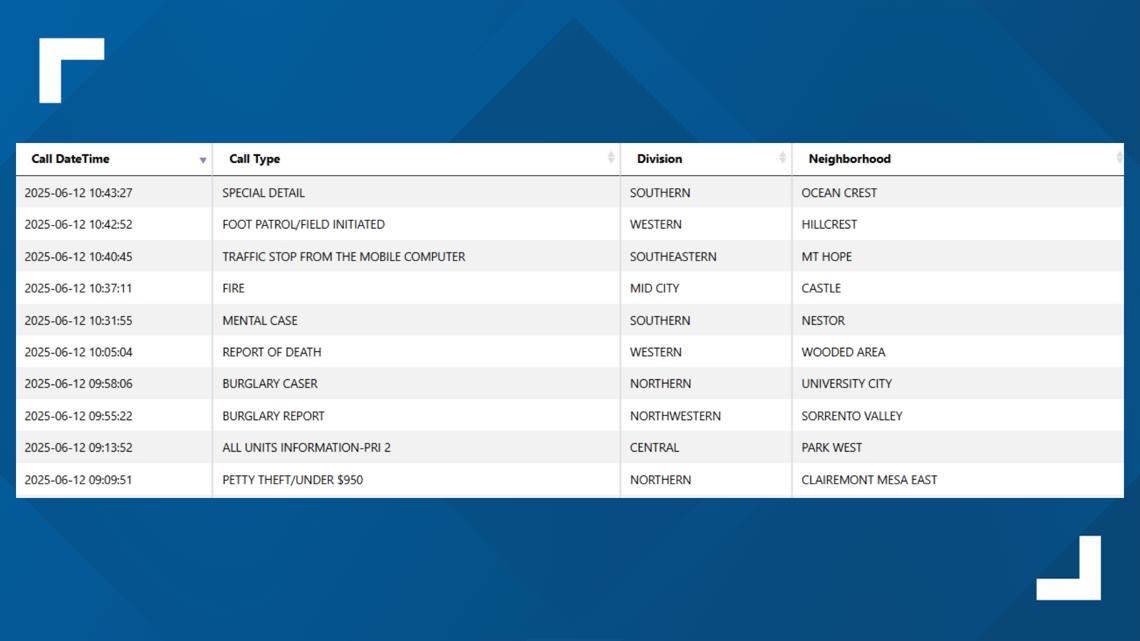
CBS 8 asked the San Diego Police Department if the media can purchase encrypted radios as well as agree that, as it currently does, no personally identifiable information gets released.
“SDPD is not planning to provide encrypted radios to media, nor will we allow access to encrypted channels. It is our interpretation that this would defeat the purpose and intent of the mandate. Members of the media and public are not California Law Enforcement Telecommunications Systems (CLETS) trained, tested, or certified,” said SDPD spokesperson Lt. Meyer.
The statewide shift to encrypted radios is raising concerns for First Amendment advocates.
Ginny LaRoe is the policy director at the First Amendment Coalition.
LaRoe says prohibiting the media from responding to breaking news events, including shootings and natural disasters, hurts public safety during those events and could also lessen transparency and accountability.
“Journalists listen to police radio transmissions to plan their response to covering tragedies, like an active shooter situation, wildfires, avalanches, floods, traffic disruptions, and other calls,” said LaRoe. “Radio traffic that has been available for decades helps newsrooms decide what kind of resources to deploy to these news events. It’s an essential part of keeping the public informed, and it’s why we are very alarmed to see this trend in California and elsewhere.”
LaRoe said there are workarounds; however, agencies across the state appear to be more concerned with complying with the 2020 state mandate than with providing the media with access to their calls.
“I think about wildfires, flooding, avalanches, or things like that, where the press is the eyes and ears of the community, and it helps keep the community safe,” said LaRoe. “We know that first responders are busy in the field trying to keep communities safe, so it’s imperative that the press can listen for themselves and have some information that they can take to agencies that might not be thinking about what the public wants to know.”
LaRoe says that while state-elected officials in years past pushed to pass legislation to provide the media with access to police radios, there is nothing currently on the floor to address this issue.
“We would love to see a statewide fix so there’s consistency around the state guidance to agencies that’s reasonable and easy to follow, and the agencies invest in these transparency protections,” Laroe said. “We know this is the best thing for the community to have the press be the eyes and ears and be able to plan their coverage, stay safe while they’re providing news coverage, and then evaluate the government’s response to things like mass shootings, wildfires, routine, traffic problems, and so we think the legislature can play a role here and evaluating what agencies have done in recent years and finding a reasonable legislative fix.”
link
:quality(100) "5 Takeaways on Secure Communications from CGE Radio’s Conversation with BlackBerry")