
State College Police Department Looks to Upgrade Aging Radio Equipment
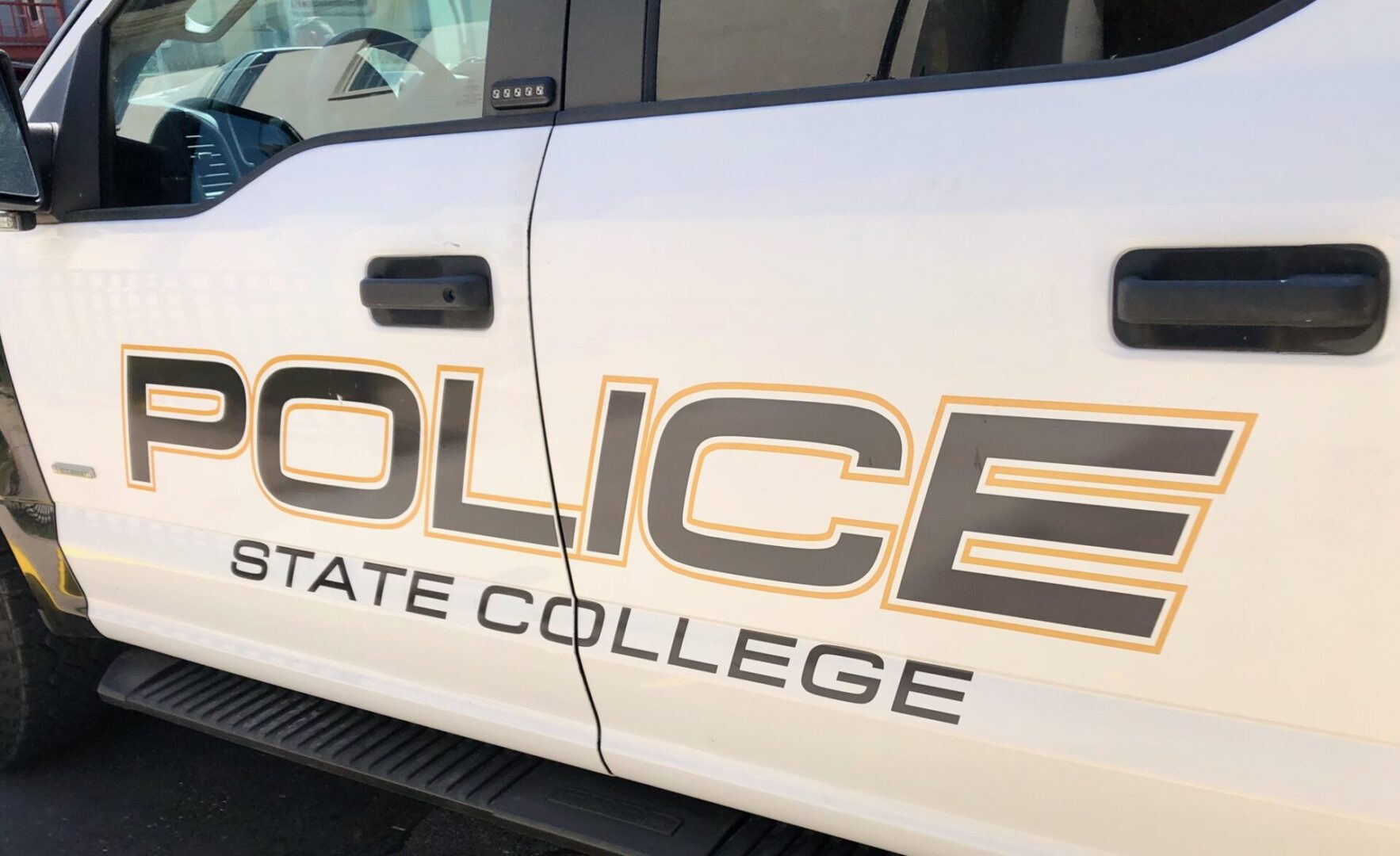
Photo by Geoff Rushton | StateCollege.com
The State College Police Department is hoping to replace its 11-year-old radio communications equipment in the next year with a new model at a cost of about $816,000.
As part of Borough Council’s review of State College’s draft 2026-30 Capital Improvement Plan, Chief John Gardner on Monday provided an overview of the the requested new equipment and the problems plaguing the department’s radios
The current 800 mHz portable radios were purchased in 2014 and have “fully depreciated,” Gardner said. Certain parts are prone to wearing out or breaking, there’s no guarantee that replacement parts will be available and the radios now must be sent away to Motorola for repair, taking them offline while they are being serviced.
Several radios are currently away for repair, and if the department were to fill seven officer vacancies to reach its full budgeted complement of 60, “we simply do not have enough workable radios right now to even equip our officers,” Gardner said.
“Radios are an essential part of police work for the officers,” he said. “They’re used every day and they serve as the primary source of communication when an officer is out of a vehicle. In essence, they’re the lifeline of an officer once he’s outside the vehicle in a building or wherever.”
The department’s proposal would replace the current radios and related equipment with the Motorola N70 model.
The new radios are compatible with LTE, Wifi, Bluetooth and GPS, and would integrate with body-worn and in-car cameras.
Bluetooth functionality would enable automatic camera recording to begin when the emergency button on the radio is activated. The body-worn camera would then be livestreamed through the software by an officer at the station “for real-time intelligence,” Gardner said.
“It’s a safety feature not only for the officer but for the people that we’re dealing with so that we’d have a live-time view of what’s going on there,” he explained.
The GPS feature can provide an officer’s precise location, which Gardner said “significantly enhances officer safety” by allowing other members of the department to know where he or she is in an emergency situation.
Radios also would include hardware and software encryption, “protecting communications during daily operations — again, safeguarding sensitive information and enhancing officer safety,” Gardner said.
The Capital Improvement Plan is a recommendation for facility, infrastructure and equipment spending over a five-year period. The draft 2026-30 CIP recommends the radio upgrades as a “should do” priority for 2026.
Radio replacements were included in the CIP approved last year, but were not ultimately in the 2025 budget.
Asked by council member Josh Portney if the money will be available for the 2026 budget, Borough Manager Tom Fountaine said he wasn’t certain but that it may be imperative to fund them.
“There is a structurally unbalanced budget and we’re still looking at those issues, but we have done our best to try to trim this CIP to the point where it is more realistic than previous years,” Fountaine said. “But I can’t sit here today because we haven’t started budgeting yet and tell you that that money is available. I would note that this is reaching a point though where we are really at a must-do stage, so we may have to find money one way or the other.”
The borough’s Asset Replacement Fund includes $450,000 that will be used toward the cost. The department is looking into a Pennsylvania Commission on Crime and Delinquency grant as well, but Gardner said he is unsure if grant money will be available or if the borough will be eligible.
If the radios were purchased now, the total cost would be $653,185, but Motorola’s quote advised increasing the funding request by 25% to $816,481 to account for two price increases that will occur before the anticipated purchase in 2026. Tariffs may also affect pricing before the purchase, according to the request.
In response to council member John Hayes’ question about whether the borough should try to purchase them sooner then next year, Fountaine said he would look into whether funding is available now to do so.
link
:quality(100) "5 Takeaways on Secure Communications from CGE Radio’s Conversation with BlackBerry")