
How alpine skiers use radio communication to improve performance
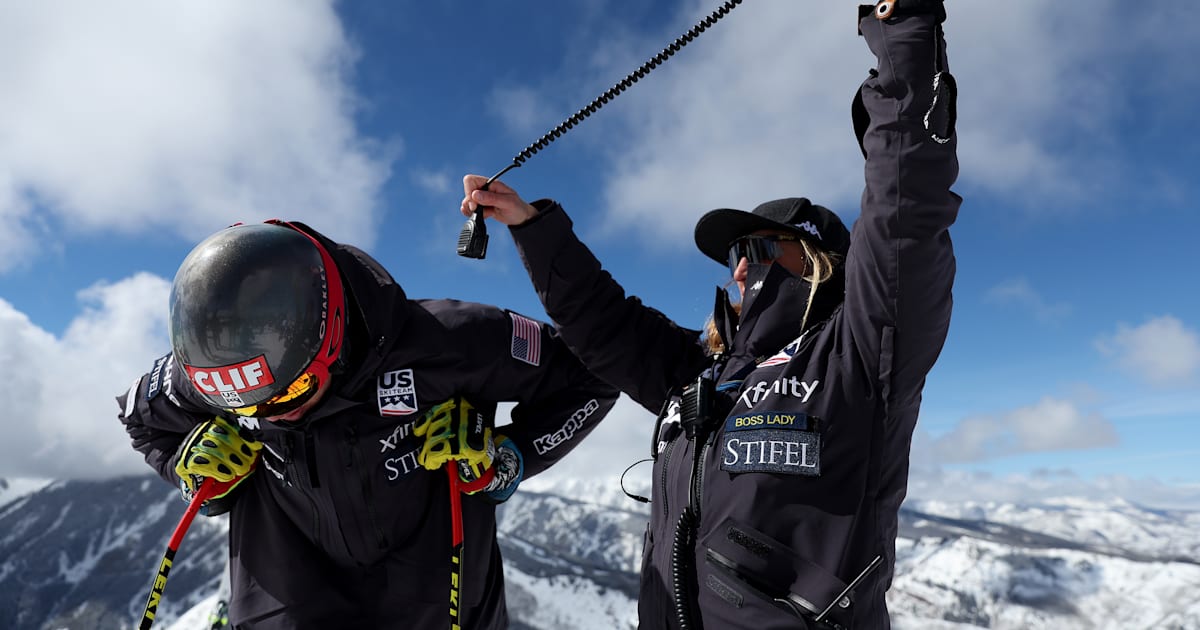
Essential aid or unnecessary distraction for athletes?
While the use of radio communication is prevalent in alpine skiing, the jury is split on whether or not it is actually useful to athletes come race day.
“I think honestly, when I’m skiing my best, I try not to get much information because I can trust my own plan,” stated Team USA’s Ryan Cochran-Siegle, who belongs to the camp that limits radio communication on race day.
Information overload is a very real concern for many skiers, and with so many voices willing and ready to provide their analysis of the course, radio communication can be a bit overwhelming at times.
To quote Uncle Ben from the Spider-Man universe, “with great power, comes great responsibility.”
“If you are talking about something that’s going to happen in the last five gates of a course, then you still have to get through the first 45 gates of the course to get there,” cautioned Mike Day, former head coach for Mikaela Shiffrin during an interview with the Associated Press during Beijing 2022.
His example, while somewhat specific, highlights the real danger of information saturation for top skiers. Therefore, deciding when to hold your tongue or when to relay additional information becomes a pivotal skill for coaches and support staff on the piste.
They aren’t the only ones eager to share their insight about the course, however. There are plenty of athletes, including radio hermits like Cochran-Siegle, willing to offer their own analysis to teammates at the top of the piste.
“I don’t know a certain instance, but obviously when I get to the bottom then it’s, you know, trying to give them the best advice if they want it,” he explained, adding that teammate feedback can be specifically useful during training runs for the downhill event.
His sentiments were echoed by teammate Bryce Bennett, who said, “The radio is more important for the training runs I would say. Especially [the] first and second training run just because you establish a plan and you don’t know how it’s going to ski and then you either confirm that plan with the coaches or you adjust the plan accordingly.”
While he also tries to limit his use of radio communication on race day, there is one event where he finds the communication medium indispensable.
“In Super-G, it’s really important on race day,” noted the two-time World Cup downhill winner.
“Confirming a plan with the coaches, and then also… we work well together as the US team and [you] hear from your other athletes, like your teammate confirming feelings, like speed wise, what’s the feeling on the skis, the snow, like those types of things.”
Essential information relayed quickly between athletes thanks to radio communication, despite ultimately vying for individual success, is the ultimate in team work.
link
:quality(100) "5 Takeaways on Secure Communications from CGE Radio’s Conversation with BlackBerry")